
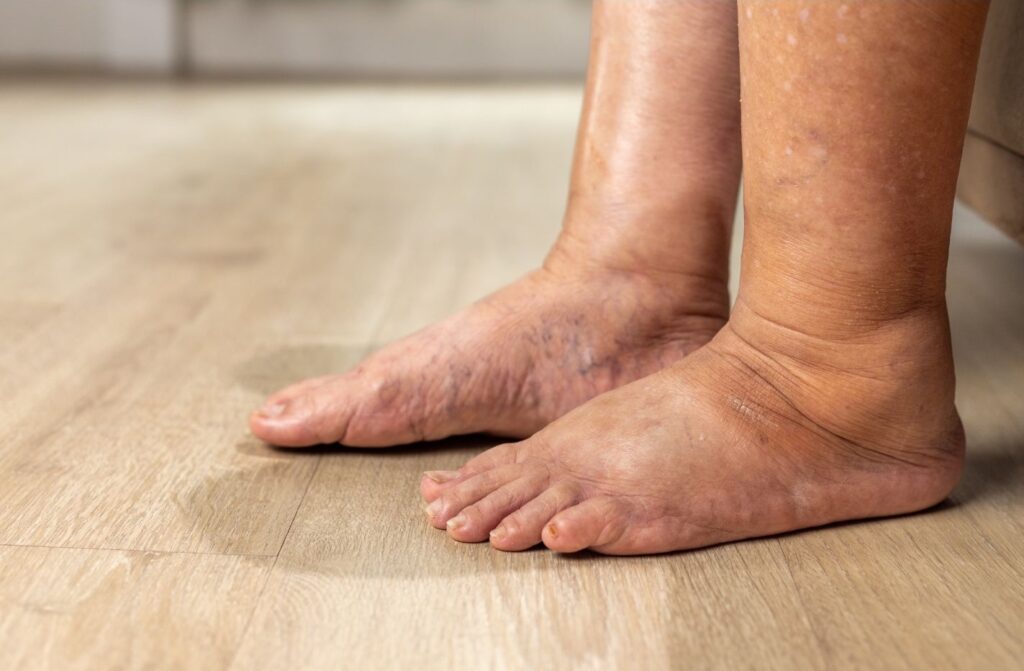
Most people who live with lymphedema will tell you the same thing: it’s not the swelling that gets to them. It’s the tiredness. That slow drain of energy that starts mid-morning and just keeps going. The feeling of heaviness in a limb that others can’t see and probably wouldn’t notice. The sense that your body is working harder than it should just to get through a normal day.
Lymphedema is rarely dramatic. In most cases, it’s subtle, and that’s part of what makes it so difficult to explain and so easy for others to underestimate. But the people living with it know how much it affects their daily life, and they deserve treatment that takes that seriously.
Manual lymphatic drainage is one of the most effective tools available for managing lymphedema. At Pigari Beauty & Wellness Spa in East Vancouver, it’s something we practise with a great deal of care and precision because when it’s done well, the difference is real and lasting.
What is lymphedema?
The lymphatic system is a quiet but essential part of how your body stays healthy. It moves lymph fluid, rich in proteins and immune cells, through a vast network of vessels and nodes, clearing out toxins and excess fluid from your tissues as it goes. When that system is damaged or disrupted, the fluid backs up. It has nowhere to go. And over time, it accumulates in the soft tissue, causing the swelling and heaviness we recognize as lymphedema.
The most common causes are surgical removal of lymph nodes (particularly after breast cancer treatment) and radiation therapy that affects the lymphatic vessels. Less commonly, lymphedema can result from infection, injury, or a congenital condition present from birth.
What it tends to feel like, especially in earlier stages: a persistent heaviness or tightness in an arm or leg, skin that feels subtly different, fatigue that builds as the day goes on, and a vague but persistent sense that something is off. The swelling itself is often mild enough that others don’t notice, but you do.
Lymphedema doesn’t resolve on its own. It’s a chronic condition, which means management is ongoing. The good news is that with the right approach, most people can keep their symptoms well under control and maintain a genuinely good quality of life.
What is manual lymphatic drainage?
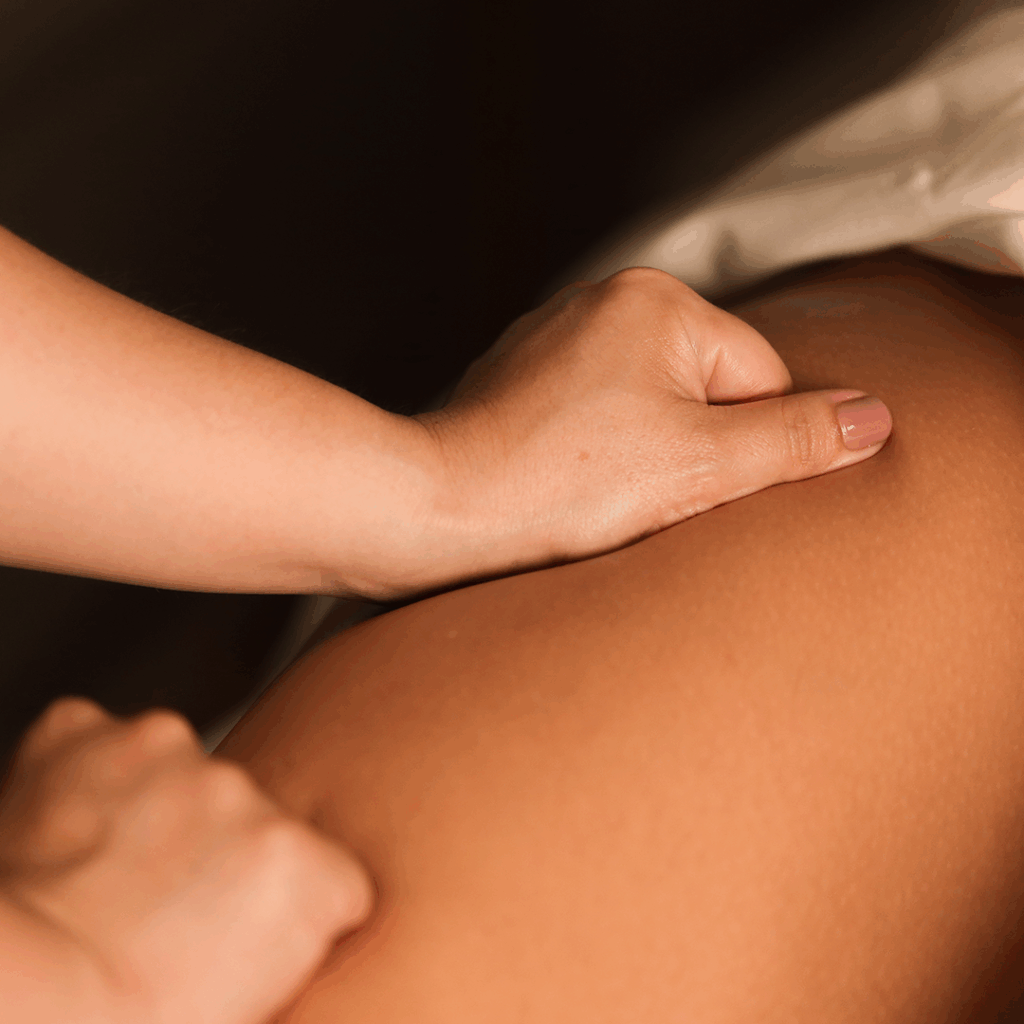
Manual lymphatic drainage (MLD) is not a standard massage. The pressure is much lighter, the movements are slow and rhythmic, and the focus is entirely on the superficial layer of the skin, where the lymphatic vessels sit closest to the surface.
The technique isn’t trying to release muscle tension or improve circulation in the traditional sense. What it’s doing is more specific: gently redirecting accumulated lymph fluid away from the congested area and guiding it toward parts of the lymphatic network that are still functioning properly, so your body can process and eliminate the excess.
At Pigari, we work primarily with the Renata França Method, a Brazilian approach developed by one of the most respected specialists in the field. It’s known for its precise, structured sequences and for producing results that clients can feel clearly, often from the first session. Where needed, we adapt the technique to your specific situation, but the foundation is always the same: thorough training, careful assessment, and attention to what your body actually needs.
How it helps
When lymphatic vessels have been damaged by surgery, radiation, or other causes, the body loses some of its natural capacity to reroute fluid on its own. Manual lymphatic drainage works by stimulating alternative drainage pathways, essentially helping the system find a way around the damage.
Done consistently, it reduces swelling and limb volume, relieves that persistent weighted-down feeling, and restores energy in a way that’s often quite noticeable. It also helps protect the tissue long-term: untreated lymphedema can eventually lead to fibrosis, a gradual hardening and thickening that becomes harder to reverse. Regular drainage is one of the best ways to prevent that from happening.
The skin in the affected area also tends to respond well, becoming more supple and comfortable over time.
One session helps. A regular rhythm of sessions is what changes things.
Do you need a full protocol?
Not necessarily, and for most people, the answer is no.
The majority of clients we see have mild to moderate lymphedema: subtle swelling, that familiar heaviness, energy that flags by afternoon. For these cases, regular lymphatic drainage combined with some straightforward self-care, good hydration, gentle movement, and basic skincare is typically enough to manage symptoms well.
For more complex or advanced cases, lymphatic drainage is often combined with other therapies as part of what’s called Complex Decongestive Therapy (CDT). This might include medical-grade compression garments, specific therapeutic exercises, and more intensive skincare. It’s a well-established framework, and when someone needs it, it works.
But it’s worth saying clearly: most people don’t need the full protocol. We’ll assess your situation honestly at your first visit and tell you what we actually think makes sense, not what sounds most comprehensive.
Who is this treatment for?
Lymphatic drainage is appropriate for both primary lymphedema (present from birth) and secondary lymphedema (developing after surgery, radiation, or injury). It’s also used preventively for people who’ve been told they’re at elevated risk following cancer treatment, even when symptoms haven’t yet appeared.
Before your first session, we’ll take a careful history: your surgeries, treatments, current medications, and any symptoms you’ve been noticing. If there’s an active infection, fever, blood clot, or acute inflammation in the area, we’ll need to hold off until that resolves. Your safety always comes first, and we’ll be straightforward with you about timing.
Beyond the physical
There’s something that happens when the heaviness starts to lift. It’s not just physical, though the physical relief is real. It’s the feeling of being less burdened, of moving through the day with a little more ease. People often describe it as a kind of lightness they’d forgotten was possible.
Managing a chronic condition takes effort, and it takes trust. Coming in for treatment, especially for something invisible to everyone around you, takes a certain amount of courage. We don’t take that lightly. Our job is to make sure that the effort is worthwhile and that you leave feeling genuinely better than when you came in.
Consistency matters
Because lymphedema is chronic, results build over time. A single session brings real relief. But the sustained change, the kind where you stop noticing the heaviness as much, where your energy holds through the afternoon, where the swelling stays down, that comes from regularity.
How often you should come in depends on your specific situation: the severity of your lymphedema, your lifestyle, and what you’re hoping to achieve. We’ll figure that out together at your first visit and build a plan that’s realistic for your life.
Ready to feel the difference?
If you’re living with lymphedema or if you’ve been noticing unexplained heaviness, fatigue, or subtle swelling that you can’t quite account for, lymphatic drainage is worth exploring. Our team at Pigari Beauty & Wellness Spa in East Vancouver is trained to provide professional, individualized treatment in a calm and caring environment.
Book your lymphatic drainage appointment at Pigari Beauty & Wellness Spa.